
Living in the Cowichan Valley
Farm country with a hospital in the middle of it and a mountain pass at one end.Living in the Cowichan Valley means buying land rather than proximity. The valley runs from the Malahat summit north to Ladysmith and west to Cowichan Lake, and inside that spread are farm country, working waterfront, a lake district and a commuter belt. Duncan sits in the middle with the hospital and most of the shopping. Almost everything else is a drive from it.

Living in the Cowichan Valley brings together farm country, river trails, village centres and practical market insight from a long time local Island perspective.
- Duncan is the commercial and medical centre. The valley's 24 hour emergency department is there, along with most of the shopping1.
- The valley has four distinct settings. Farm country, working waterfront, a freshwater lake district and a Malahat commuter belt.
- A budget goes further here than south of the pass. Acreage, hobby farms and larger lots are ordinary rather than exceptional.
- The Malahat is the main direct route to Victoria. The Mill Bay to Brentwood Bay ferry crosses Saanich Inlet when it is operating6.
- This is among the warmest annual averages in Canada. The valley sits inside the east coast rain shadow4.
- Transit is a valley system, not a city one. BC Transit runs Cowichan Valley routes, and coverage thins quickly outside the town centres2.
You Are Buying Land, Not Proximity
Almost everyone who moves here is trading distance for ground. A budget that buys an attached home in Langford buys a house on a real lot in Duncan, or acreage outside it. That trade is the valley in one sentence, and whether it works depends on how often you need the things the ground is far from.
When the Valley Suits You
- Land, a garden, a shop or a few animals are the reason for the move rather than a bonus.
- A weekly shop in Duncan replaces daily errands, and that suits how you already live.
- Work is local, agricultural, in the trades, remote, or already finished.
- A long growing season and a mild winter are worth planning around.
- You have driven the Malahat in February and are content with what that involves.
When It Works Against You
- Specialist appointments come up often and most of them are in Victoria or Nanaimo.
- A daily commute over the pass is the plan and the drive has only been done in summer.
- Everyday life needs to work on foot, which is realistic in the town centres and not outside them.
- Municipal water and sewer are assumed, where much of the valley runs on a well and a septic field.
- Something smaller will be wanted later and the property being considered is rural acreage.
Both lists come back to the same trade. Work out how much ground you actually need and the rest of the search narrows quickly.
How the Valley Is Laid Out
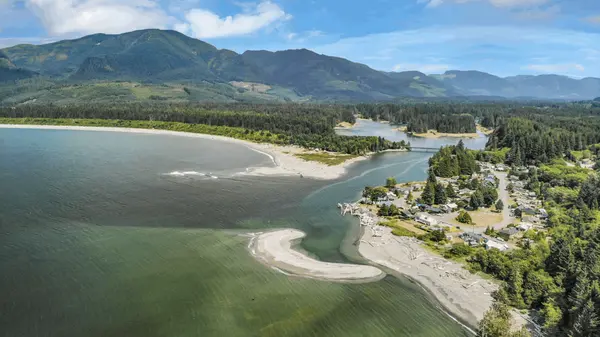
The Cowichan Valley is larger than most arrivals expect. From the Malahat summit to the Ladysmith boundary is a substantial drive, and the road west to Cowichan Lake adds approximately half an hour on top of that.
Highway 1 runs the length of it and is the spine of everything. The coast communities hang east of the highway, the farm country sits west and south of Duncan, and the lake district is further west again on Highway 18. Where a property sits against that layout decides the drive to a hospital, a grocery store and a school bus route.
What the Cowichan Valley Actually Offers

Where People Actually Live
The valley is not one market. These four settings behave differently on price, servicing and what daily life involves.
Duncan and around it
Duncan, East Duncan and West Duncan. The hospital, the shopping, the schools and the closest thing the valley has to a walkable centre. It is also where the valley's more affordable attached housing sits.
The Cowichan coast
Chemainus, Crofton, Saltair and Ladysmith. Small centres right on the water, with imaging and urgent care at Chemainus and the Thetis and Salt Spring sailings leaving from here. Ladysmith orients north toward Nanaimo rather than south.
Farm and estate country
Cowichan Bay, Cowichan Station and Glenora. Vineyards, hobby farms and acreage on the Cowichan River, with almost no attached housing and a drive to everything.
The Malahat commuter belt
Cobble Hill, Mill Bay, Shawnigan Lake and the Malahat itself. The closest part of the valley to Victoria, priced accordingly, with a lake, a ferry crossing and a mountain pass all in play.
The Cowichan Lake area
Lake Cowichan, Youbou and Honeymoon Bay, approximately 30 minutes west of Duncan. Freshwater rather than ocean, the warmest summers in the region, and its own page in this guide.
Explore Cowichan Valley Real Estate
If you are considering a move, explore the local market, see homes currently for sale, or search every listing across Cowichan Valley on a map.
8 Questions for Comparing Valley Communities

What the Land Costs to Run
The purchase price is the part people compare. The running costs are the part that surprises them. A rural property here usually means a well, a septic field and a longer driveway, and all three carry inspection, maintenance and eventual replacement costs that a town lot does not.
Distance does the rest. Almost every rural household runs two vehicles, heating costs more outside the town centres, and a tradesperson charges for the drive. None of that makes the valley expensive, but it does mean a Glenora acreage and a Duncan townhouse can look similar on price and run to different monthly numbers.
Why Everything Routes Through Duncan
Duncan carries the valley's 24 hour emergency department, its largest concentration of retail, its government offices and most of its professional services1. For a great many valley households the weekly pattern is built around a trip into it.
That relocates in 2027, when the hospital moves to a new facility on Bell McKinnon Road in North Cowichan1. It shortens the drive from some parts of the valley and lengthens it from others, which is worth working out for the specific address rather than assuming it improves things.
The Malahat Commute
The pass is the main direct road connection to Greater Victoria. It climbs, it gets weather the lowlands do not, and it closes for collisions and conditions3. There is no comparable direct alternative.
The Mill Bay to Brentwood Bay ferry crosses Saanich Inlet and is a genuine option from the south end of the valley when it is running6. The Pacific Marine Circle Route through Lake Cowichan, Port Renfrew and Sooke exists but is a much longer loop rather than a substitute. Anyone planning to cross daily should drive it on a wet February morning first.
Wells, Septic and the Dry Summer
A large share of valley property is not on municipal services. Wells and septic fields are ordinary here, and both are things to have inspected rather than assumed, particularly on an older rural property.
The rain shadow that makes the summers so pleasant also makes them dry. Water supply becomes a live question in August on some properties, and irrigation, livestock and a large garden all draw on the same well. It is worth asking about flow rate and summer performance rather than only whether a well exists.
Farming, Forestry and the Commute
The valley economy runs on agriculture and food production, forestry, the trades, health care, education, tourism and a wine industry that has grown considerably. Duncan and North Cowichan carry most of the employment.
The other half of the picture is people who work elsewhere. A substantial number of valley households commute south over the Malahat or north to Nanaimo, and a growing number work remotely. That mix is why the valley behaves differently from a pure resource economy when conditions change.
The Warmest Averages in the Country
The Cowichan Valley records some of the warmest annual average temperatures in Canada, a result of sitting inside the east coast rain shadow4. The growing season is long, and the wine and farm economy is built on it.
Winter is mild at valley level and snow rarely lasts, but the Malahat and the higher ground west toward the lake are a different matter. A mild region still needs winter tires, and the difference between a Mill Bay driveway and a Malahat one in January is larger than the map suggests.
What a Rural Valley Property Costs to Run
Housing and the Second Move
Housing here spans a wider range than most Island communities of this size. Acreage and hobby farms west and south of Duncan, waterfront on the coast, lakefront to the west, and attached housing concentrated in Duncan, Ladysmith and Mill Bay.
That variety matters for the move after this one. A household buying acreage in their fifties should look at whether the valley offers something smaller nearby, because if it does, the later move can happen without leaving the area entirely.
The town centres generally carry a broader supply of condominiums, townhomes and smaller detached homes than the rural areas around them. Supply changes, so the practical step is to check what actually exists in the specific community at the point the decision is being made.
Frequently Asked Questions About Living in the Cowichan Valley
Where is the Cowichan Valley?
It runs from the Malahat summit north to Ladysmith and west to Cowichan Lake, on the east side of southern Vancouver Island between Greater Victoria and Nanaimo.
Is there a hospital in the Cowichan Valley?
Yes. Cowichan District Hospital in Duncan has the valley's 24 hour emergency department, with urgent care and imaging at Chemainus and a community health centre at Ladysmith1. A replacement hospital in North Cowichan is scheduled to open in 2027.
How long is the drive to Victoria?
It depends heavily on where in the valley you start and on conditions over the Malahat, which closes for collisions and weather3. The Mill Bay to Brentwood Bay ferry is an alternative from the south end when it is operating6.
Is the Cowichan Valley a good place to buy acreage?
It is one of the more established acreage markets on southern Vancouver Island, with farm, hobby farm and estate property west and south of Duncan. Servicing is the thing to check, because most of it runs on a well and a septic field.
Which Cowichan Valley community is most affordable?
Duncan and Ladysmith generally carry more of the valley's lower priced housing stock, and the rural areas cost less than the town centres they sit near. Prices vary enough that any comparison needs doing community by community.
Does it snow in the Cowichan Valley?
Rarely for long at valley level. The Malahat and the higher ground toward Cowichan Lake are the exceptions, and both can hold snow when the valley floor has none3.
Useful Resources
- Island Health, Cowichan facilitiesCowichan District Hospital, the Chemainus health care centre and the Ladysmith community health centre.
- Cowichan Valley Regional DistrictLocal government for the valley, including the electoral areas and unincorporated communities.
- DriveBCMalahat and Highway 1 conditions, closures and current travel information.
- BC Transit, Cowichan ValleyRoutes, schedules and fares for the valley system.
Thinking of Moving to the Valley?
Most of my work is in this valley and I have lived beside it for more than 30 years. If you are weighing acreage against a town lot, or the coast against the lake, I can tell you what each one actually asks of you day to day.