

Living on Central Vancouver Island
Four separate centres, and rural areas between them that answer every question differently.Living on Central Vancouver Island is a choice of centre before it is a choice of house. Campbell River, the Comox Valley, Nanaimo and the Oceanside communities each carry their own shopping, their own transit system and their own hospital or health centre, and between them sit rural areas that carry none of it. The question is which centre you want to be near, and how close is close enough.

Central Vancouver Island offers coastal communities, forests, and easy access to outdoor recreation year-round.
- This region works as four separate centres. Campbell River, the Comox Valley, Nanaimo and Oceanside each function on their own, with rural country between them.
- Housing varies more inside this region than across most of the Island. Apartments and townhomes in the larger centres, waterfront at Nanoose Bay, acreage inland and recreational property at Mount Washington.
- Mainland connections run from Nanaimo. Departure Bay and Duke Point carry vehicles, and a foot passenger service runs to downtown Vancouver2.
- Scheduled flights leave from two airports here. Nanaimo and the Comox Valley, which matters for anyone who travels off Island regularly.
- Four transit systems operate across the region. Campbell River, the Comox Valley, Oceanside and Nanaimo each run their own, and the rural areas between them have limited service or none3.
- Parksville and Qualicum Beach are served by a health centre. The region's three hospitals are at Campbell River, the Comox Valley and Nanaimo1.
Four Centres, Not One Region
Central Vancouver Island is not a single place with a single character. It is four separate centres, each with its own shopping, its own transit and its own health services, with rural country between them that has little of any of it. The centre you settle beside sets the length of the drive, the range of property you can look at and how much you can do without getting in the car.
When the Central Island Fits
- City services matter, but city prices do not have to come with them.
- Regular mainland trips are part of the year, for work, family or medical care.
- A choice of housing type matters, including something smaller to move into later.
- Being 10 or 20 minutes from a town centre is acceptable, as long as it is a real one.
- A mild, drier climate matters more than being at the very south end of the Island.
When It Does Not
- Everything needs to be walkable, because outside the four centres this region assumes a vehicle.
- A hospital is expected in Parksville or Qualicum Beach, where there is a health centre instead.
- Rural quiet and town transit are both required, and very few addresses here deliver both.
- The only visit so far was in August, when the Oceanside population is at its peak.
- A single regional price figure is being used, which hides a range wide enough to mislead.
Both lists point at the same thing. Pick the centre first and the rest of the search narrows on its own.
What Sits Inside This Region
Three hospitals, two airports, both mainland vehicle ferry terminals, a university, a ski area and a Canadian Forces base sit between Campbell River and Cedar12. That is a substantial amount of infrastructure for a region of this size.
What the list does not show is how it is distributed. All of it sits inside four separate centres with 30 to 60 minutes of highway between them, so being near one is not being near all of them. Which centre you settle beside is the decision that follows from this.
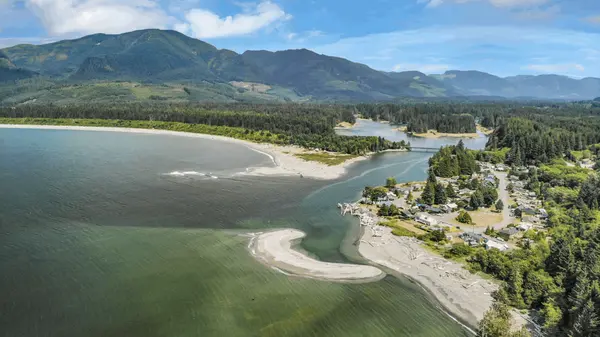
The Best of the Central Island, Centre by Centre

Which Centre Do You Want to Be Near?
Four areas sit beneath this region. Each has its own page where its towns get compared. Start by picking the centre that matches how you want to live.
Campbell River
The northern anchor. A hospital, full retail, its own transit system and the last full service centre before the highway heads north. It also carries the shortest crossing to Quadra Island.
The Comox Valley
Courtenay, Comox and Cumberland, with Mount Washington above them. A hospital, an airport, a ski area and a mix of urban, rural and recreational property inside 30 minutes of each other.
Nanaimo
The largest centre in the region and the transport hub for the whole Island. Both mainland vehicle ferry terminals, a foot passenger service to downtown Vancouver, an airport, a regional hospital and a university.
Parksville and Qualicum
The Oceanside communities, plus Coombs, Errington, Bowser and the rural areas inland. Beaches, an established retirement population and a health centre rather than a hospital.
Explore Central Vancouver Island Real Estate
If you are considering a move, explore the local market, see homes currently for sale, or search every listing across Central Vancouver Island on a map.
8 Questions for Comparing Central Island Centres

The More Affordable Side of the Central Island


Where Central Island Prices Run Highest


Arriving in the Central Island, and Where People Come From


What Oceanside Is, and What It Is Not
Parksville and Qualicum Beach are the region's established retirement and beach communities, with a long shoreline, a mild climate and a substantial seasonal population between June and September. That combination is why people look there, and it is a distinct offer inside this region.
The practical detail worth knowing early is that Oceanside is served by the Oceanside Health Centre, which is not a hospital1. Residents travel to Nanaimo or the Comox Valley for emergency and inpatient care. Two communities can look similar on a map and give different answers to that question, so it is worth confirming which hospital serves a specific address before deciding how close is close enough.
Getting Off the Island From Here
Nanaimo carries Departure Bay and Duke Point, the two mainland vehicle terminals, plus a foot passenger service to downtown Vancouver2. Nanaimo Airport and Comox Valley Airport both run scheduled flights.
For a household that travels off Island regularly, for work, family or appointments, that combination shortens the trip at the Island end considerably. It is a practical reason people choose this region over places further north or on the west coast, and it is worth weighing against what those places offer in space and price.
Where a Vehicle Is Optional, and Where It Is Not
Campbell River, the Comox Valley, Oceanside and Nanaimo each operate their own BC Transit system3. Urban Nanaimo and the Comox Valley centres have service frequent enough to plan a week around.
The rural areas between them do not. Coombs, Errington, Hilliers, Merville, Black Creek, Bowser, Deep Bay, Union Bay and Fanny Bay have limited service or none, and a property in any of them is a driving property. If a household wants to run one vehicle rather than two, that difference decides where to look.
Why Prices Vary So Much Inside One Region
Nanaimo, Qualicum Beach, Cumberland and Black Creek are separate markets that happen to share a region. Quoting a Central Island average is averaging a university city, an established retirement town, a former coal village and farm country, and the result describes none of them.
The pattern that does hold is that you pay for the walk to services. A property 15 minutes outside Courtenay or Parksville generally costs less than a comparable one inside it, and the difference is the drive. That is the trade to work out first, because it decides what type of property a given budget buys.
The Drier Corridor and the Snow Above It
The rain shadow that runs down the east side reaches into this region, and the corridor from approximately Parksville north is drier than most arrivals expect. Sea level snow is uncommon and rarely lasts.
Elevation changes that entirely. Mount Washington above the Comox Valley receives substantial snowfall and operates as a ski area through the winter, which is half an hour from a beach. Summer brings a large seasonal population to the Oceanside beaches, and between approximately June and September the traffic, the services and the character of those communities all shift.
Where the Work Is
Health care across three hospital sites, Vancouver Island University in Nanaimo, the Canadian Forces base at Comox, forestry and manufacturing at Campbell River, marine work and aquaculture, construction, retail and a large service economy.
For a working household, the choice of centre often follows the job rather than the other way round. It also supports a large remote working population, helped by the airport access and the ferry connections at Nanaimo.
Nanaimo, Comox and Campbell River Compared on Cost

The Widest Choice of Housing Outside Victoria
This region has the widest range of housing types outside Greater Victoria. Apartments and townhomes in Nanaimo and Courtenay, established retirement oriented development at Qualicum Beach and Parksville, waterfront through Nanoose Bay, rural acreage inland and recreational property at Mount Washington.
For anyone planning past the next decade, that variety is the region's real advantage. In much of the Island, moving to something smaller means leaving the community. In the Nanaimo, Parksville, Qualicum Beach and Comox Valley centres it usually does not.
The rural areas between those centres are the exception, and they are where the same trap exists as everywhere else on the Island. Confirm what smaller housing actually exists in the specific community before buying, not after.
Frequently Asked Questions About Living on Central Vancouver Island
Where is the best place to live on Central Vancouver Island?
There is no single answer, because the four centres suit different lives. Nanaimo offers the broadest housing choice and the easiest mainland access. The Comox Valley pairs a hospital and an airport with a ski area and rural land. Campbell River anchors the north end of the region. Oceanside is beach and retirement country. Start with which of those matches how you want to live.
Is Campbell River in Central or North Vancouver Island?
Campbell River is covered here, along with its surrounding neighbourhoods. The North Island page picks up beyond it.
Is Nanaimo or the Comox Valley better to live in?
They solve different problems. Nanaimo has the larger population, the broader housing choice, the university and both mainland ferry terminals. The Comox Valley is smaller, has an airport and a ski area, and puts rural land closer to the centres. Anyone travelling to the mainland often tends toward Nanaimo. Anyone wanting land and recreation closer to home tends toward the valley.
Where are the ferries to the mainland?
Departure Bay and Duke Point, both at Nanaimo, carry vehicles to Horseshoe Bay and Tsawwassen2. A foot passenger service also runs from Nanaimo to downtown Vancouver.
Which Central Island communities cost less?
Generally the rural areas between the centres rather than inside them. Errington, Coombs, Hilliers, Merville, Black Creek, Bowser and Fanny Bay usually sit below the town centres they sit near. The saving is the drive, and prices vary enough that any comparison needs to be done community by community.
Can you downsize without leaving the same area?
Often, in the larger centres. Nanaimo, Courtenay, Comox, Parksville, Qualicum Beach and Campbell River generally have a broader supply of apartments, condominiums and townhomes than the rural communities between them. Inventory changes, so it is worth checking what actually exists at the time of the decision.
Useful Resources for Central Vancouver Island
- Island Health, Central Island facilitiesCampbell River, Comox Valley and Nanaimo hospitals, and the Oceanside Health Centre at Parksville.
- BC FerriesDeparture Bay and Duke Point sailings to Horseshoe Bay and Tsawwassen.
- BC TransitThe Campbell River, Comox Valley, Oceanside and Nanaimo transit systems.
- Regional District of NanaimoLocal government for Nanaimo, Parksville, Qualicum Beach, Lantzville and the surrounding electoral areas.
- Comox Valley Regional DistrictLocal government for Courtenay, Comox, Cumberland and the surrounding rural areas.
Thinking of Moving to the Central Island?
This region has more genuinely different options inside it than anywhere else on the Island, which makes it easy to buy in the wrong one. If you are comparing Nanaimo against the Comox Valley, or a rural property against a centre with services, I can tell you what you give up on either side of that trade.