

Living in Campbell River
A working city with a hospital, its own transit and the water at the end of every street.Campbell River is a working place rather than a resort, and that is the first thing to understand about it. It has a hospital, a full retail base, its own transit system and an economy that predates tourism. People move here for space and the water, and stay because the practical side holds up.

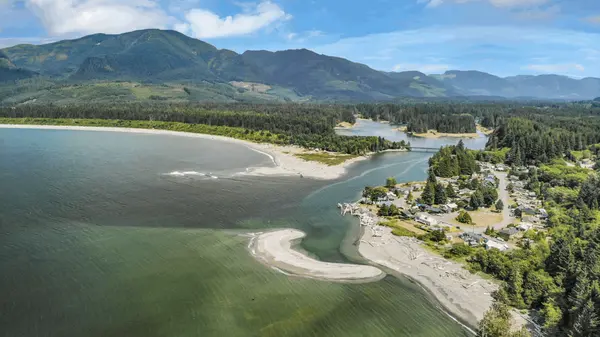
Driving Campbell River, from the centre and the seawalk out through the neighbourhoods to the Quadra Island crossing.
- The hospital and full retail are in the city. Everyday life happens inside Campbell River rather than at the end of a drive.
- The city runs its own public transit system. Routes connect the neighbourhoods to the centre, the hospital and the shopping.
- Housing choice is broader than the population suggests. Detached homes, townhomes, an apartment supply near the centre and rural property on the edges.
- Property prices generally sit below the larger markets to the south. What a budget buys changes sharply by neighbourhood, so compare street by street.
- The crossing to Quadra Island takes minutes. Parks, trails, the seawalk and the back country sit at the edge of the neighbourhoods.
- Winters are mild by Canadian standards and wet by most others. At sea level, winter snow tends to be less persistent than at higher elevations west of the city.
Living in Campbell River Day to Day
An ordinary week happens inside the city rather than outside it. Grocery stores, pharmacies, banking, hardware, trades suppliers and the hospital sit within a short drive of most neighbourhoods, and the commercial core along the highway covers the larger shopping that communities further north travel for. Recreation facilities, schools and community programming sit inside the same short radius.
That self sufficiency is the practical argument for the city. Households in the communities beyond it measure their week by the drive in. Here it is already done, and the time and fuel that frees up belongs in any honest living cost comparison. Schools, the pool and the arena are ordinary parts of the week rather than a journey, and for a family arriving from a smaller community that difference is immediate.
The city sits at the north end of the developed east coast, which shapes what it costs and who chooses it. Parks, the shoreline and a great deal of nature sit closer to the average front door here than they do further south. Anyone comparing it against Nanaimo will find a smaller city with a shorter commute to everything inside it and a longer one to everything outside it.
The trade is scale for access. Campbell River gives a household most of what a larger centre provides, at a price the southern markets stopped offering some time ago, and asks it to accept fewer choices in return. That is the honest summary of living in Campbell River, and everything below is the detail underneath it. Campbell River is a city you should price by the month, because the monthly living cost tells you more than the listing does.
What Campbell River Actually Offers


Housing, Apartments and Property Prices
Housing choice is broader than the population suggests. Detached homes on real lots make up the bulk of the market, alongside townhomes, an apartment supply concentrated near the centre, and rural property on the edges. Apartment and townhome stock is where most of the lower property prices sit. Waterfront and ocean view sits at the top of the range and draws many buyers from away.
Property prices generally sit below comparable homes in the larger east coast markets to the south, and what a budget buys changes sharply by neighbourhood, so compare prices street by street rather than city wide. Rentals exist across apartments, suites and detached homes, monthly supply moves with the season, and each community rents differently, so enquire early.
The neighbourhoods differ enough to investigate individually:
- Central Campbell RiverThe commercial core and the streets around it, with the most walkable ground and the bulk of the apartment stock.
- North Campbell RiverToward the highway north and the industrial waterfront.
- South Campbell RiverThe established residential ground running down the coast.
- West Campbell RiverThe rising ground inland with larger lots and more trees.
- CampbelltonThe older northern district with its own commercial strip and more affordable housing.
- Willow PointThe southern seaside neighbourhood with a village feel and a strong community identity.
Public Transit and Getting Around
Campbell River runs its own public transit system, which is not something every community this size manages. Routes connect the neighbourhoods to the centre, the hospital, the recreation facilities and the shopping, and for a household trying to run one vehicle instead of two, public transit is a genuine part of the calculation. Fares and schedules are worth checking against a real weekly routine rather than assumed from a map.
Realistically, most households here still drive. Service is useful rather than comprehensive and thins toward the rural edges and in the evenings. The neighbourhoods where a car is closest to optional are the central streets and parts of Willow Point. Anywhere beyond those, plan on driving.
Monthly Costs to Plan For
Beyond the mortgage, the monthly picture differs from a southern city in a few ways. Fuel matters more outside the serviced area, heating costs run higher than in the far south of the region, and rural property on a well and a septic field carries maintenance a serviced lot does not. Local trades and delivery charges belong in the same monthly column. Against that, most established neighbourhoods are on municipal water and sewer and the overall cost of running a household compares favourably with the larger markets. Compare the monthly numbers, not just the purchase price. A rural acreage and a serviced town lot can look alike on a listing and run to very different figures across a year.
Explore the local market, see homes currently for sale, or search every listing across Campbell River on a map.
8 Questions Before You Choose a Neighbourhood

Where Campbell River Housing Costs Less
What Waterfront and Ocean View Property Sells For
Relocating to Campbell River
Who the City Suits, and Who It May Not
Job Opportunities and the Local Economy
Employment is broader here than in a single industry town. Health care, education, government, forestry, aquaculture and marine work, construction, retail and a substantial service economy all operate, and a growing number of residents work remotely. Job opportunities are real without being unlimited, and anyone in a specialised field should investigate their own sector directly.
Parks, Recreation and Access to Nature
The setting delivers what people come for. Parks, trails, the seawalk, fishing, boating and the back country sit at the edge of the neighbourhoods, and the crossing to Quadra Island takes minutes. Recreation facilities, the parks network and community programming are well established for a city this size.
Winters are mild by Canadian standards and wet by most others. At sea level, winter snow tends to be less persistent than it is at higher elevations west of the city, and the ground above town holds conditions the waterfront does not. Summers run dry enough that the surrounding country carries genuine fire risk in a hard year.
Living in Campbell River suits a household that wants real services without big centre prices, values the water and the outdoors, and is content with a smaller set of choices in shops, schools and specialists. It suits someone who wants a hospital in their own community rather than at the end of a long drive, and it is family friendly in the practical sense that local schools, fields and the pool are close to where people actually live.
It suits less well anyone needing frequent specialist appointments not delivered here, anyone expecting the range of a large centre, or anyone whose work requires regular travel south. For those households the communities further down the region may fit better.
This is a practical city in a spectacular setting, and the second half of that sentence is far easier to see on a visit than the first.
What a Campbell River Household Costs to Run
The neighbourhoods differ more than the map suggests. If you are comparing areas, or selling further south to buy here, I can tell you what each choice involves.

GET MORE INFORMATION
Campbell River sits at the north end of the developed east coast, where a working economy, a full service base and quick access to the water shape daily life. Explore the regional guides to see how it compares on cost, access, services and the kind of property available.