

Living in South Nanaimo
The working end of the city, on the road to Duke PointLiving in South Nanaimo puts you between downtown and the Duke Point ferry terminal, with the working harbour, established neighbourhoods and some of the city's more accessible home prices. It suits buyers who want value, space and quick highway access south.

South Nanaimo offers a mix of established neighbourhoods, local parks, and convenient access to shopping and recreation. It’s a diverse area with strong community roots and growing residential appeal.
- The Duke Point terminal is at the south end. Sailings run from here to Tsawwassen.
- This is the industrial side of the city. Working waterfront and industry rather than a seawall.
- Prices generally sit below the city average. That is the main reason buyers look here specifically.
- The downtown is close. The harbourfront and the old city are a short distance north.
- Housing is largely older. Postwar and earlier stock rather than recent building.
- Highway access south is direct. The run toward Ladysmith and the Cowichan Valley starts here.
The Working Side of the City
South Nanaimo does the work. The industrial waterfront, the log handling, the marine services and the Duke Point terminal are all down here, and the residential streets sit alongside them rather than apart.
That is the reason prices are what they are. For a buyer working to a budget who wants to be inside the city, this is where the numbers are most achievable, and the honest question is how you feel about the setting.
It is worth spending time here before deciding either way. The industrial character is real and so is the harbour, and people who live here generally chose it deliberately rather than settling.
Head north a few minutes and the harbourfront and the heritage quarter are right there, which puts the centre within reach at south end money.
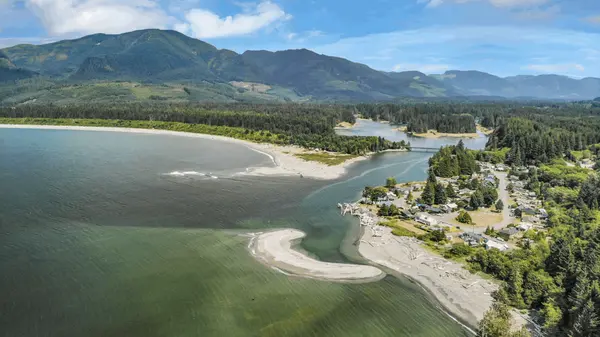
What the South End Actually Offers

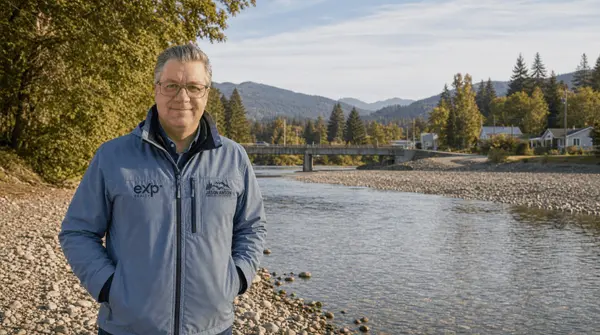

Older Housing and Accessible Prices
Mostly older detached homes on standard lots, with a scattering of multi family and a solid rental base underneath. Much of it went up when the working waterfront was the local employer.
Expect the full older house checklist and then some. Structure, services, insulation, water getting in or under, and whether anything has shifted. Stock this close to the harbour has also weathered harder than the equivalent house inland.
For a first purchase, a rental or a renovation, the entry point here is the most accessible inside the city, and that is a genuine opportunity rather than a consolation.
The rest of the city, for comparison:
- LantzvilleA separate district municipality north of the city that stayed rural on purpose.
- Brechin HillThe rising ground above the Departure Bay terminal, close to downtown.
- CedarRural acreage and farm ground south of the city, toward Yellow Point.
- Central NanaimoThe middle of the city, with older housing and the best transit coverage.
- Chase RiverSouth of the centre, around Colliery Dam Park and the older mill ground.
- Departure BayThe ferry terminal, the beach and the established streets above them.
Duke Point and the Mainland Run
The Duke Point terminal sits at the southern edge and runs to Tsawwassen, which is the crossing most people take for the airport, the ferry to Victoria's mainland connections and anything in the southern Lower Mainland.
For a household with regular mainland business, being minutes from that terminal rather than crossing the city to Departure Bay is a real convenience.
The terminal also brings traffic, mostly along the corridor serving it rather than through the residential streets. A property near that route is a different proposition from one set back.
What an Older Property Costs
Everything here is on city services, so nothing in the budget goes to a well or a field. Lots are ordinary town size and the yard is a weekend job.
The building is the cost. An older house that has not been upgraded costs more to heat and asks for maintenance on a shorter cycle, and anyone buying on price should set money aside rather than treating the purchase as the whole number.
Explore the local market, see homes currently for sale, or search every listing across Nanaimo on a map.
8 Questions Before You Choose a Neighbourhood


What Waterfront and Ocean View Property Sells For
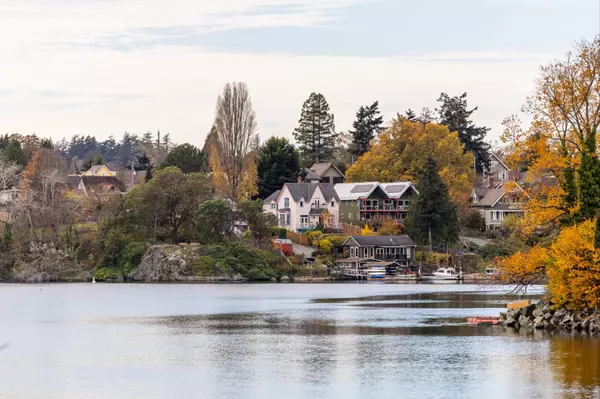
Relocating to Nanaimo
Who the South End Suits, and Who It May Not
The south end suits a buyer working to a budget who wants to be in the city, anyone with regular mainland travel through Duke Point, and anyone comfortable with a working industrial setting. It suits investors and renovators for the same reasons.
Not for you if the priorities are an outlook, quiet or recent building, and definitely not if you have not stood on the street and are working from photographs.
If the price is right but the industry is not, the central neighbourhoods sit just north with similar stock. If the harbour is the appeal, the old city above it has the same water and far more character.
What a Nanaimo Household Costs to Run
South Nanaimo is where the city's prices are most achievable, and the reasons for that are worth understanding in person before you buy rather than after. I can tell you what a specific street is really like.

GET MORE INFORMATION
South Nanaimo is the working side of the city, running from the downtown down the coast to the Duke Point ferry terminal. Explore the regional guides to see how Nanaimo compares with the rest of the Island.