

Living in North Courtenay
Where the city thins out toward the river and the farms.North Courtenay is the edge of the city running toward the Tsolum River and the rural country beyond it. Lots get larger, the subdivisions give way to acreage, and the transition from city to farmland happens over a short distance.

North Courtenay is a rural riverside community just north of Courtenay on Vancouver Island. It’s known for farmland, quiet neighbourhoods, and easy access to the Comox Valley.
- This is the city's rural transition. Subdivisions on one edge and acreage on the other.
- The Tsolum River runs through the area. It joins the Puntledge to form the Courtenay River.
- Servicing varies across the area. Some property is municipal and some is on wells and septic.
- The city centre is minutes away. Shopping, the hospital and the schools are a short drive south.
- Merville lies beyond it. The rural country to the north is covered on its own page.
- Lot sizes are larger than the city average. This is where city buyers find ground without leaving the area.
City on One Side, Country on the Other
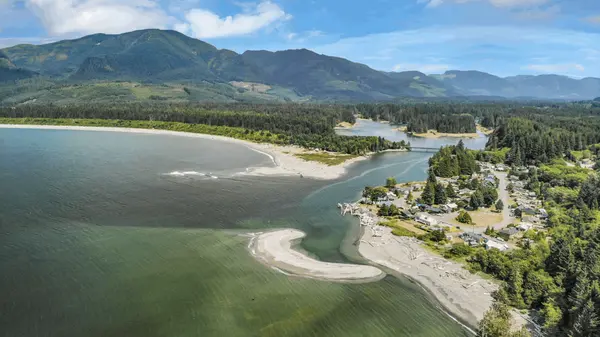
The north side is a transition rather than a destination. Close to the city it is residential with generous lots. Move a few minutes further and it becomes rural, with acreage, small farms and the Tsolum River running through.
That gradient is the appeal. A household can buy meaningful ground here and still be minutes from the hospital, the schools and the shopping, which is a compromise the rural valley further north cannot offer.
The gradient also means no two properties on this side are quite comparable. Servicing, lot size, road frontage and how rural the setting actually feels all shift over short distances.
There is no commercial centre. Everything comes from the city to the south, and households here plan on driving.
What the North Side Actually Offers
Housing and Lot Size
Housing runs from regular residential lots near the city edge through to genuine acreage further out. Ages and build styles vary widely, because this ground filled in gradually rather than all at once.
That variety rewards inspection. On the rural end, outbuildings, water systems, septic and drainage all matter. On the residential end, the questions are the ordinary ones.
Attached and smaller housing is essentially absent on this side. A later move to something more manageable means back into the city, which is close enough to make that step straightforward.
How the other communities compare:
- ComoxThe peninsula side of the valley, with the marina, the airport and the air force base.
- CourtenayThe commercial heart of the valley, where the rivers meet and most of the shopping is.
- Town of ComoxThe incorporated town itself, with its own council, downtown and waterfront.
- Comox PeninsulaThe rural coastal ground beyond the town, toward Point Holmes and Kye Bay.
- City of CourtenayThe incorporated city, its boundaries, its services and its downtown core.
- East CourtenayNewer subdivisions, the hospital and the highway retail on the city's east side.
The Tsolum River
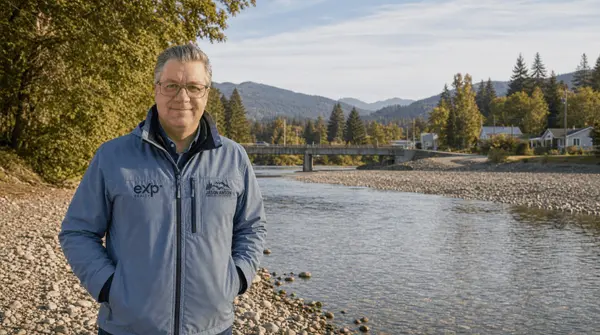
The Tsolum runs down from the north and joins the Puntledge in Courtenay to form the Courtenay River. It has been the subject of long running restoration work, and the health of the river is an active local concern rather than a settled matter.
For a property owner, river proximity brings floodplain designation, riparian setbacks and bank stability into the picture. All three are worth establishing for a specific parcel before an offer rather than after one.
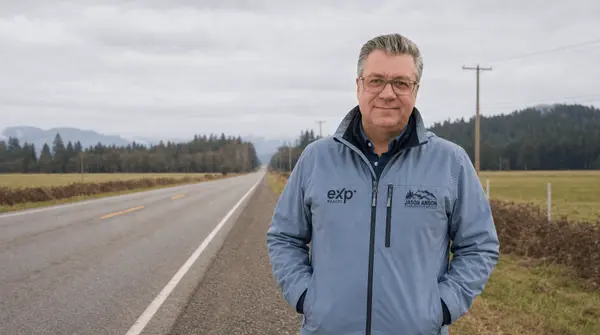
The rural roads on this side give access to a quieter part of the valley than the coastal or the city ground, with farmland, trees and the river as the setting.
Servicing and What to Confirm
Servicing is the main variable on the north side. Properties nearer the city are often on municipal water and sewer. Further out, private wells and septic fields become the norm, and both need proper inspection.
On a well, flow rate and summer performance are the questions. On septic, age, type and field condition. Whether the address sits inside the City of Courtenay or in the regional district is worth confirming at the same time, since it changes bylaws and taxes.
Explore the local market, see homes currently for sale, or search every listing across the Comox Valley on a map.
8 Questions Before You Choose a Community

Relocating to the Comox Valley
Who the North Side Suits, and Who It May Not
The north side suits a household that wants ground without accepting a long drive, is comfortable with rural servicing where it applies, and values a quieter setting than the city's subdivisions.
It suits less well anyone who wants municipal certainty without checking, anyone wanting to walk to services, or anyone who would rather have a view than a field.
If the ground is the point but the river is not, Merville and Black Creek to the north offer more land for the money. If servicing certainty matters more, the city itself is minutes south.
What a Comox Valley Household Costs to Run
The north side varies more property to property than anywhere else in the city, because servicing and jurisdiction both change across short distances. If you are comparing parcels, I can tell you what each one actually involves.

GET MORE INFORMATION
North Courtenay is the city's rural transition, running toward the Tsolum River and the farm country beyond. Explore the regional guides to see how the Comox Valley compares with the rest of the Island.