

What a Lakefront Property Costs to Insure on Cowichan Lake
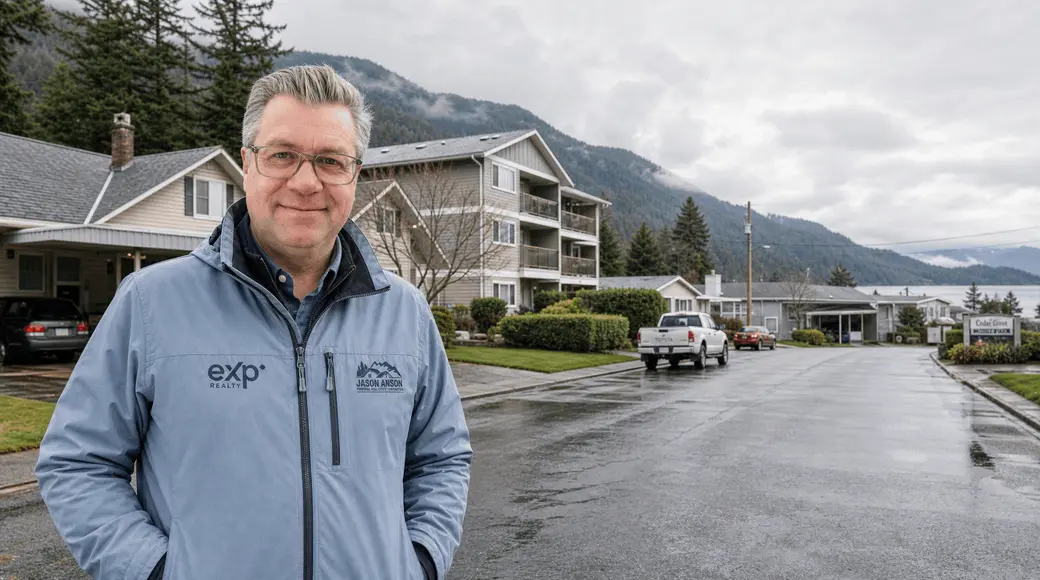
What a lakefront property costs to insure on Cowichan Lake is a question buyers usually ask after they have fallen for a house, and it is a better question to ask before. Insurance here is priced on 3 things that most buyers do not look at during a viewing.
Those things are water, fire and access. A property beside a lake in a forested valley at the end of a single highway sits differently with an insurer than an identical building in Duncan.
None of this makes lakefront uninsurable. It makes it something to price properly rather than assume, and the time to do that is while you still have conditions on the offer.
What to know before you read further
- Insurance on lake property is priced on water, wildfire risk and access to fire protection.
- A quote is the only reliable answer. Get one before your conditions come off, not after.
- Older cabins converted to year round homes can be rated differently from purpose built houses.
- Wood heat is common at the lake and it changes what an insurer requires.
- Fire protection distance and hydrant availability affect the rating more than most buyers expect.
The 3 Things an Insurer Is Actually Looking At
Water is the obvious one, and it is more specific than people assume. It is not just proximity to the lake. It is the bank height, whether the property sits in a floodplain, how the site drains, and whether overland water coverage is available and at what cost.
Wildfire is the second, and it has become more prominent. The valley is forested, it is dry from roughly June to September, and campfire bans and water restrictions are routine in that period.1 Insurers price that.
Access is the third and the least obvious. How far is the property from a fire hall, is it within a fire protection area, and is there a hydrant. Those answers change the rating substantially and they vary property by property along the same shore.
Why the Answer Varies So Much Along One Lake
Cowichan Lake runs more than 30 kilometres and the communities sit along the shore rather than together.2 A property in the Town of Lake Cowichan, a property in Youbou and a property out toward Caycuse are 3 different risk profiles.
Municipal fire protection, hydrant coverage and response distance all change as you move west, and so does the price. That is why a figure quoted by a neighbour is not a figure you can rely on for your own property.
The only reliable number is a quote on the specific address, from an insurer, before your conditions come off.
Older Cabins Are Rated Differently
A great many lake properties here started as summer cabins. Knob and tube wiring, an older woodstove, an aging roof and a building that was never engineered for year round occupancy are all things an insurer asks about.
Wood heat in particular changes the conversation. It is common and practical at the lake, and most insurers want a current WETT inspection on a woodstove or insert before they will write the policy at a normal rate.
None of that is a reason to avoid an older cabin. It is a reason to get the quote before you commit, because the difference between a modern build and an unimproved 1960s cabin can be significant.
What the Dry Summer Does
The valley is dry from roughly June to September and the lake area runs hot. Temperatures well above 30 degrees are not unusual around the lake.3 In July 2026 North Cowichan was under Stage 2 water conservation with a campfire ban in place.1
Insurers watch that season the same way homeowners do. FireSmart work on the property, clearance around the building, the roof material and what is stacked against the wall all matter, and some of it is within your control before you ever make a claim.
What You Can Do to Improve the Number
Clear the vegetation immediately around the building. Deal with the roof. Get the woodstove inspected and keep the certificate. Establish whether the property is inside a fire protection area, and if it is borderline, find out what that costs.
Those are unglamorous things that do not appear in listing photographs and do affect what you pay every year for as long as you own the place.
How This Fits the Rest of the Cost Picture
Insurance is 1 of the recurring costs that make lake ownership different from valley floor ownership, alongside heating an older building and the drive to services. Taken individually none of them is dramatic. Taken together they are the reason a cheaper purchase price is not always a cheaper year.
My Cowichan Lake area guide covers what else changes between the communities on this lake.
What I Would Do Before Buying Lakefront Here
Get an insurance quote on the specific address as a condition of the offer, not as a task for after closing. Ask specifically about overland water coverage and whether it is available at that address.
Ask whether the property is inside a fire protection area and how far the nearest hall is. And if there is a woodstove, get the WETT inspection done during your conditions rather than discovering the problem when the policy is being written.
Cowichan Lake Property Insurance FAQ
Is lakefront property harder to insure at Cowichan Lake?
Not usually harder, but it is priced on things a valley floor property is not. Insurers look at water risk including bank height and drainage, wildfire risk in a forested valley with a dry summer, and access to fire protection including distance to a hall and whether a hydrant is available.
Does a woodstove affect insurance at Cowichan Lake?
Generally yes. Wood heat is common and practical at the lake, and most insurers want a current WETT inspection on a woodstove or insert before writing the policy at a normal rate. Getting that done during your conditions rather than after closing is the sensible order.
Why do insurance quotes vary so much around Cowichan Lake?
Because fire protection coverage, hydrant availability and response distance change as you move along a lake that runs more than 30 kilometres. A property in the Town of Lake Cowichan and one further west are different risk profiles, so a neighbour's figure is not a reliable guide to your own.
Sources
- Stage 2 water conservation measures and campfire ban, July 2026: Municipality of North Cowichan, 2026. northcowichan.ca
- Lake size and region communities: Town of Lake Cowichan, accessed 2026. cowichanlake.ca
- Summer temperatures and seasonal rainfall: Town of Lake Cowichan, accessed 2026. cowichanlake.ca
Categories
- All Blogs (208)
- BC Property Tax Search (10)
- Cost of Living in the Cowichan Valley (3)
- Cost of Living in the Pacific Rim (3)
- Cost of Living on Central Vancouver Island (3)
- Cost of Living on Cowichan Lake (3)
- Cost of Living on North Vancouver Island (3)
- Cost of Living on South Vancouver Island (3)
- Cost of Living on the Gulf Islands (3)
- Cost of Living on the Surrounding Islands (3)
- Cost of Living on Vancouver Island (5)
- Living in the Cowichan Valley (3)
- Living in the Pacific Rim (3)
- Living in Youbou (3)
- Living on Central Vancouver Island (3)
- Living on Cowichan Lake (3)
- Living on North Vancouver Island (3)
- Living on South Vancouver Island (3)
- Living on the Gulf Islands (3)
- Living on the Surrounding Islands (3)
- Living on Vancouver Island (26)
- Log Homes (3)
- Most Affordable Central Vancouver Island (3)
- Most Affordable Comox Valley (1)
- Most Affordable Cowichan Valley (1)
- Most Affordable Gulf Islands (3)
- Most Affordable in Campbell River (1)
- Most Affordable Nanaimo (1)
- Most Affordable North Island (1)
- Most Affordable North Vancouver Island (3)
- Most Affordable Pacific Rim (3)
- Most Affordable Parksville Qualicum (1)
- Most Affordable South Vancouver Island (3)
- Most Affordable Surrounding Islands (4)
- Most Affordable Vancouver Island (4)
- Most Expensive Campbell River (1)
- Most Expensive Central Vancouver Island (3)
- Most Expensive Comox Valley (1)
- Most Expensive Cowichan Valley (1)
- Most Expensive Gulf Islands (3)
- Most Expensive Nanaimo (1)
- Most Expensive North Island (1)
- Most Expensive North Vancouver Island (3)
- Most Expensive Pacific Rim (3)
- Most Expensive Parksville Qualicum (1)
- Most Expensive Port Alberni Area (2)
- Most Expensive South Vancouver Island (3)
- Most Expensive Surrounding Islands (4)
- Most Expensive Vancouver Island (4)
- Moving to Central Vancouver Island (3)
- Moving to Cowichan Lake Area (3)
- Moving to Cowichan Valley (3)
- Moving to North Vancouver Island (3)
- Moving to South Vancouver Island (3)
- Moving to the Gulf Islands (3)
- Moving to the Pacific Rim (3)
- Moving to the Surrounding Islands (3)
- Moving to Vancouver Island (3)
- People’s Choice Awards (11)
- Real Estate Market Guide (6)
- Vancouver Island Real Estate Market Reports (6)
- Youbou Real Estate Market Reports (3)
Recent Posts





Accurate Home Values. Proven Results.
Whether you are buying, selling or simply working out what your property is worth, the number matters more than the opinion. Market conditions on Vancouver Island shift by community and by month, and a value that was right in the spring may not hold by the fall.
I do not guess your home's value. I prove it, using actual market value and real market movement so you can protect your equity and move forward with confidence. Send me the address and I will show you the numbers.