

What the Islands Trust Mandate Means for How You Can Live Here
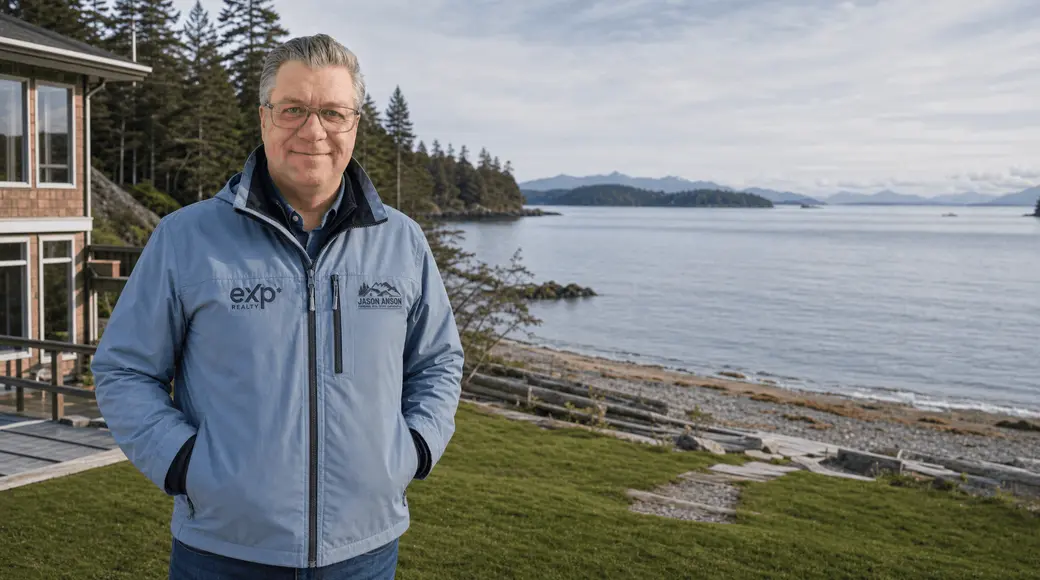
The Islands Trust mandate reaches into ordinary Gulf Island life through a simple idea, development is supposed to happen inside a region that must also be preserved and protected.1
That shows up in zoning, density, subdivision, water protection, setbacks and what can be built on a particular lot.
It does not mean nothing can change.
It means the starting point is different from a fast growing suburban municipality.
What to know before you read further
- The Islands Trust Act gives the Trust a provincial mandate to preserve and protect the Trust Area and its unique amenities and environment.1
- The Islands Trust Area contains more than 450 islands and surrounding waters in the Salish Sea.1
- Local trust committees use official community plans and land use bylaws to regulate matters such as use, density, siting and subdivision requirements.1
- Rules vary by local trust area, so a use permitted on one Gulf Island cannot be assumed to be permitted on another.1
- For a household planning a move, the mandate matters most when the property depends on future construction, subdivision, a suite, shoreline work or another change in use.
Preserve and protect is not a slogan
The Islands Trust Act says the object of the Trust is to preserve and protect the Trust Area and its unique amenities and environment for the benefit of residents and British Columbia, working with other governments and organizations.1 That language is the frame around local planning decisions.
You feel it through practical rules rather than through a sign at the ferry terminal. Official community plans set policy direction. Land use bylaws regulate what can happen on land. Development permit areas can add another layer where environmental or hazard concerns are present.1
If you are used to a suburban municipality that is actively trying to absorb growth, the Gulf Islands can feel different. The goal is not simply to accommodate the next project. The mandate requires planning bodies to consider the character and environment of the Trust Area.
Zoning is where the mandate becomes personal
A property can look large enough for your idea and still not permit it. Zoning controls use, density, siting and building dimensions. Local trust area pages publish the applicable official community plans, land use bylaws and maps.1
That matters if you imagine adding a cottage, creating another dwelling, operating a business, changing an accessory building or dividing land later. The answer comes from the bylaw for that specific parcel, not from what appears to exist next door.
I would treat future plans as questions to solve before purchase. Island properties often invite imagination. The planning rules decide how much of that imagination can become a permit application.
The rules are local, not one Gulf Islands rulebook
Galiano, Mayne, Saturna, North Pender, South Pender and Salt Spring each have their own planning context within the Islands Trust system.1 The preserve and protect mandate is shared, but local bylaws are not identical.
That is important because people sometimes compare properties across islands as if acreage were acreage. A similar sized parcel can have different permitted uses, setbacks or development permit requirements depending on where it sits.
The practical lesson is to stop using the island name as the final level of detail. You need the local trust area, the zoning, the official community plan designation and any mapped development permit areas that touch the land.
Water is part of land use, not just a utility question
Fresh water is limited on many Gulf Islands, and local planning documents often treat water resources as a core constraint. Galiano's planning maps, for example, include water resource and water management information.1
For a buyer, that means a well or cistern is not merely a mechanical feature. Water availability can influence what intensity of use makes sense on a property and what local policies allow. A home that works for a small household may have a different water demand after an added suite or larger garden.
I would connect the planning question with the physical water question. What is permitted, what the well can reliably supply and what the household actually consumes all have to agree.
Shoreline property brings another layer
Waterfront land tends to attract the biggest plans and the most constraints. Setbacks, environmental protection, slope hazards, docks and shoreline structures can involve local bylaws plus provincial or federal rules. The Islands Trust mandate is only one part of that picture.1
This is where I would be especially careful with assumptions based on neighbouring properties. An older dock or structure may have been built under a different rule, may have separate approvals or may not prove that the same work would be approved today.
If a dock, studio, shoreline staircase or major addition is essential to the reason you are buying, verify the approval path before treating it as part of the property's future.
Preservation can support the lifestyle you came for
The same planning limits that can frustrate a project also help explain why Gulf Island landscapes have not developed like mainland suburbs. Lower intensity land use, protected areas and controls on development are consistent with the Trust's preserve and protect mandate.1
That is the trade. You may get fewer options to change a property, while also living in a place where growth is deliberately constrained. Whether that feels protective or restrictive depends on what you want to do.
I think the clearest approach is to separate the lifestyle from the project. If you want the island as it is, the mandate may support what attracted you. If your plan depends on changing the land substantially, the same mandate deserves much closer attention.
Downsizing plans need to include the next home
For someone moving in senior years, land use rules can affect more than the first purchase. They can shape what smaller housing exists later. If an island has limited apartments, strata housing or multi dwelling development, downsizing within the same community may be harder.
That can turn a future housing transition into an off island move. A large rural property may suit you now, but I would also ask what the island offers if maintaining it becomes too much.
The answer is partly a housing supply question and partly a planning question. The preserve and protect mandate does not decide your future, but it influences the range of housing forms that can be created.
Read the bylaw before you build your life around an assumption
The safest habit on the Gulf Islands is simple. Treat every important future use as unconfirmed until the current bylaw and relevant authority support it. That includes suites, cottages, home businesses, subdivision and shoreline work.
The Islands Trust publishes local bylaws and planning information, and those documents can change over time.1 A conversation with planning staff can be useful when the wording is not clear, but the property specific facts still matter.
For relocation, this is not dry planning detail. It is lifestyle protection. The goal is to make sure the home you buy can support the life you think you are buying it for.
The preserve and protect mandate also affects expectations about future services. A household should not buy a remote property assuming that a new road, denser commercial centre or major subdivision will eventually make the location more convenient. Those changes are planning decisions, not inevitable outcomes. I would buy based on the access and services that exist now, then treat future improvements as uncertain.
That approach is especially important when downsizing. If the island has a limited supply of smaller homes, apartments or supported housing, you may not have many local choices later. The planning framework helps shape what can be built. A long term relocation decision therefore includes not only the home you want now, but whether the island can offer another housing step if your needs change.
The preserve and protect mandate also affects expectations about future services. A household should not buy a remote property assuming that a new road, denser commercial centre or major subdivision will eventually make the location more convenient. Those changes are planning decisions, not inevitable outcomes. I would buy based on the access and services that exist now, then treat future improvements as uncertain.
FAQ
Does the Islands Trust stop development on the Gulf Islands?
No. Development can occur, but local planning and land use decisions operate within the preserve and protect mandate set by the Islands Trust Act.1 What is permitted depends on the local trust area and the specific property.
Can I add a second dwelling on a Gulf Island property?
Possibly, but it cannot be assumed. You need to check the current zoning, density rules, servicing requirements and any other approvals that apply to the parcel.1
Are the rules the same on every Gulf Island?
No. The overall mandate is shared, but local trust areas have their own official community plans, land use bylaws and maps.1 A use allowed on one island may be regulated differently on another.
Sources
- Islands Trust, 2026. Islands Trust Act, mandate, local trust area planning pages and current bylaws.
Categories
- All Blogs (208)
- BC Property Tax Search (10)
- Cost of Living in the Cowichan Valley (3)
- Cost of Living in the Pacific Rim (3)
- Cost of Living on Central Vancouver Island (3)
- Cost of Living on Cowichan Lake (3)
- Cost of Living on North Vancouver Island (3)
- Cost of Living on South Vancouver Island (3)
- Cost of Living on the Gulf Islands (3)
- Cost of Living on the Surrounding Islands (3)
- Cost of Living on Vancouver Island (5)
- Living in the Cowichan Valley (3)
- Living in the Pacific Rim (3)
- Living in Youbou (3)
- Living on Central Vancouver Island (3)
- Living on Cowichan Lake (3)
- Living on North Vancouver Island (3)
- Living on South Vancouver Island (3)
- Living on the Gulf Islands (3)
- Living on the Surrounding Islands (3)
- Living on Vancouver Island (26)
- Log Homes (3)
- Most Affordable Central Vancouver Island (3)
- Most Affordable Comox Valley (1)
- Most Affordable Cowichan Valley (1)
- Most Affordable Gulf Islands (3)
- Most Affordable in Campbell River (1)
- Most Affordable Nanaimo (1)
- Most Affordable North Island (1)
- Most Affordable North Vancouver Island (3)
- Most Affordable Pacific Rim (3)
- Most Affordable Parksville Qualicum (1)
- Most Affordable South Vancouver Island (3)
- Most Affordable Surrounding Islands (4)
- Most Affordable Vancouver Island (4)
- Most Expensive Campbell River (1)
- Most Expensive Central Vancouver Island (3)
- Most Expensive Comox Valley (1)
- Most Expensive Cowichan Valley (1)
- Most Expensive Gulf Islands (3)
- Most Expensive Nanaimo (1)
- Most Expensive North Island (1)
- Most Expensive North Vancouver Island (3)
- Most Expensive Pacific Rim (3)
- Most Expensive Parksville Qualicum (1)
- Most Expensive Port Alberni Area (2)
- Most Expensive South Vancouver Island (3)
- Most Expensive Surrounding Islands (4)
- Most Expensive Vancouver Island (4)
- Moving to Central Vancouver Island (3)
- Moving to Cowichan Lake Area (3)
- Moving to Cowichan Valley (3)
- Moving to North Vancouver Island (3)
- Moving to South Vancouver Island (3)
- Moving to the Gulf Islands (3)
- Moving to the Pacific Rim (3)
- Moving to the Surrounding Islands (3)
- Moving to Vancouver Island (3)
- People’s Choice Awards (11)
- Real Estate Market Guide (6)
- Vancouver Island Real Estate Market Reports (6)
- Youbou Real Estate Market Reports (3)
Recent Posts





Accurate Home Values. Proven Results.
Whether you are buying, selling or simply working out what your property is worth, the number matters more than the opinion. Market conditions on Vancouver Island shift by community and by month, and a value that was right in the spring may not hold by the fall.
I do not guess your home's value. I prove it, using actual market value and real market movement so you can protect your equity and move forward with confidence. Send me the address and I will show you the numbers.