

Should I Appeal My BC Assessment?
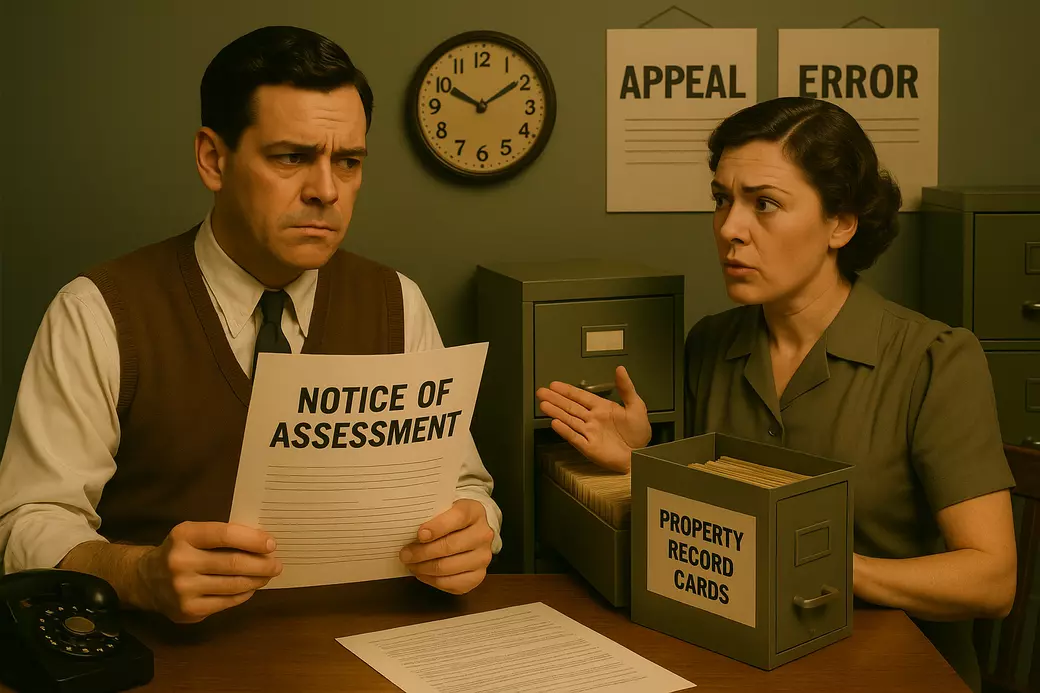
Each January, BC Assessment mails out property assessment notices that determine how much tax you will pay in the year ahead. If your assessed value seems out of line with the market or your neighbours, you may be wondering whether to file an appeal. Understanding the BC Assessment appeal process can help you decide if a challenge is worthwhile.
When to Consider a BC Assessment Appeal
The BC assessment system aims to keep values fair and consistent, but errors and discrepancies do happen. If your property’s assessed value is significantly higher than comparable homes in your neighbourhood, or if there are inaccuracies in the details used to calculate the assessment, an appeal may be appropriate. It is important to distinguish between increases due to market trends, which apply broadly, and unique errors affecting only your property.
How the Appeal Process Works
The appeal process in BC follows a structured timeline. Property owners must file a notice of complaint by January 31. This initiates a review by the independent Property Assessment Review Panel (PARP), which typically meets between February and March. If you are not satisfied with their decision, you can escalate the matter to the Property Assessment Appeal Board (PAAB) for a more formal hearing. Each stage requires evidence, such as recent sales data or documentation of errors, to support your case.
Key Reasons Homeowners Appeal
- Assessment is higher than similar properties in the area
- Incorrect property details, such as square footage or condition
- Overlooked issues like flooding, foundation problems, or location disadvantages
- Disproportionate tax impact compared to neighbours
- Belief that market value was miscalculated or outdated
Preparing for an Appeal
Before submitting an appeal, gather recent sale prices of comparable properties, review your assessment details for errors, and consider obtaining a professional appraisal. Clear, objective evidence carries far more weight than personal opinions about value. Keep in mind that if your property is undervalued, BC Assessment could adjust it upward, though this is less common.
From the BC Property Tax Search series
- BC Property Tax Mistakes to Avoid
- Understanding Your BC Property Tax Bill
- BC Property Assessment vs Market Value
For more details on the BC assessment system, appeal procedures, and provincial property rules, visit these official resources:
When is the deadline to appeal my BC Assessment?
Can my property value increase if I appeal?
What evidence should I provide in an appeal?
Does appealing my assessment reduce my taxes automatically?
If your property details look inaccurate, do not wait until it is too late. Download the free Property Record Card FOI template to check what BC Assessment has on file for your home before you decide whether to appeal.
Categories
- All Blogs (208)
- BC Property Tax Search (10)
- Cost of Living in the Cowichan Valley (3)
- Cost of Living in the Pacific Rim (3)
- Cost of Living on Central Vancouver Island (3)
- Cost of Living on Cowichan Lake (3)
- Cost of Living on North Vancouver Island (3)
- Cost of Living on South Vancouver Island (3)
- Cost of Living on the Gulf Islands (3)
- Cost of Living on the Surrounding Islands (3)
- Cost of Living on Vancouver Island (5)
- Living in the Cowichan Valley (3)
- Living in the Pacific Rim (3)
- Living in Youbou (3)
- Living on Central Vancouver Island (3)
- Living on Cowichan Lake (3)
- Living on North Vancouver Island (3)
- Living on South Vancouver Island (3)
- Living on the Gulf Islands (3)
- Living on the Surrounding Islands (3)
- Living on Vancouver Island (26)
- Log Homes (3)
- Most Affordable Central Vancouver Island (3)
- Most Affordable Comox Valley (1)
- Most Affordable Cowichan Valley (1)
- Most Affordable Gulf Islands (3)
- Most Affordable in Campbell River (1)
- Most Affordable Nanaimo (1)
- Most Affordable North Island (1)
- Most Affordable North Vancouver Island (3)
- Most Affordable Pacific Rim (3)
- Most Affordable Parksville Qualicum (1)
- Most Affordable South Vancouver Island (3)
- Most Affordable Surrounding Islands (4)
- Most Affordable Vancouver Island (4)
- Most Expensive Campbell River (1)
- Most Expensive Central Vancouver Island (3)
- Most Expensive Comox Valley (1)
- Most Expensive Cowichan Valley (1)
- Most Expensive Gulf Islands (3)
- Most Expensive Nanaimo (1)
- Most Expensive North Island (1)
- Most Expensive North Vancouver Island (3)
- Most Expensive Pacific Rim (3)
- Most Expensive Parksville Qualicum (1)
- Most Expensive Port Alberni Area (2)
- Most Expensive South Vancouver Island (3)
- Most Expensive Surrounding Islands (4)
- Most Expensive Vancouver Island (4)
- Moving to Central Vancouver Island (3)
- Moving to Cowichan Lake Area (3)
- Moving to Cowichan Valley (3)
- Moving to North Vancouver Island (3)
- Moving to South Vancouver Island (3)
- Moving to the Gulf Islands (3)
- Moving to the Pacific Rim (3)
- Moving to the Surrounding Islands (3)
- Moving to Vancouver Island (3)
- People’s Choice Awards (11)
- Real Estate Market Guide (6)
- Vancouver Island Real Estate Market Reports (6)
- Youbou Real Estate Market Reports (3)
Recent Posts










Accurate Home Values. Proven Results.
Whether you are buying, selling or simply working out what your property is worth, the number matters more than the opinion. Market conditions on Vancouver Island shift by community and by month, and a value that was right in the spring may not hold by the fall.
I do not guess your home's value. I prove it, using actual market value and real market movement so you can protect your equity and move forward with confidence. Send me the address and I will show you the numbers.